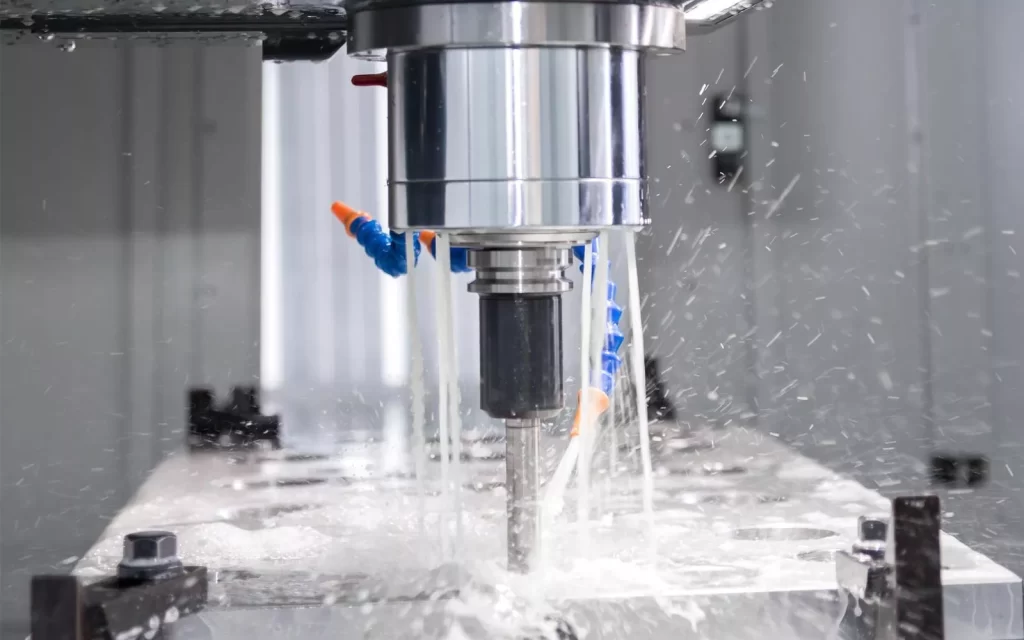
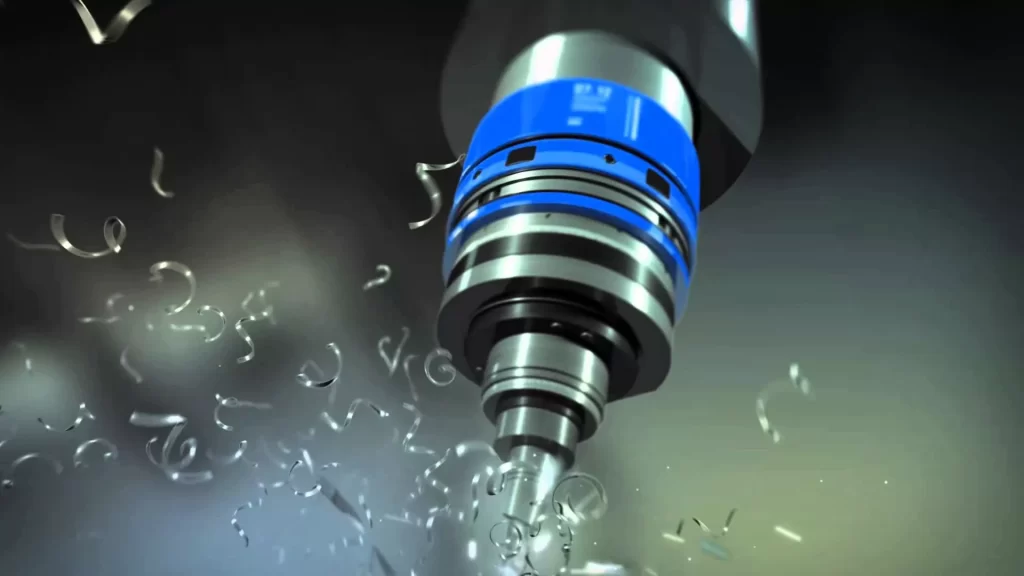
This ultimate guide covers all aspects of CNC machining, including its working principle, types of machines, machining processes, material selection, post-processing, design considerations, quality control, cost analysis, and future trends. The main purpose of writing this article is to help beginners gain a comprehensive understanding of CNC machining. If you have rich experience, you are welcome to share your insights in the comment section. Now, let’s take a look at what CNC machining is.
Introduction to CNC Machining
What is CNC Machining
CNC machining, which stands for Computer Numerical Control machining, is a manufacturing process that utilizes pre-programmed computer software to precisely control the movement of factory tools and machinery, enabling the production of highly precise and complex parts by accurately removing material from workpieces.
History and Development
The origin of CNC machining can be traced back to the middle of the 20th century. The earliest attempts at automating machining date back to the 18th century with purely mechanical machines powered by steam. However, it was not until the late 1940s that the first programmable machine was developed at MIT, using punched cards to encode movements. Subsequently, the proliferation of computers in the 1950s and 1960s added the “Computer” element to CNC, revolutionizing the manufacturing industry. Over the years, CNC machines have evolved from basic systems to highly advanced robotic setups with multi-axis and multi-tooling capabilities.
Importance and Application Areas
CNC machining plays a crucial role in modern manufacturing. Its ability to produce accurate and consistent parts has made it indispensable in industries such as aerospace, automotive, medical, and electronics. In the aerospace industry, it is used to manufacture critical components like turbine blades with tight tolerances. The automotive industry relies on CNC machining for engine parts and custom components. Medical applications include the production of surgical instruments and implants. In the electronics industry, it is used for manufacturing PCB prototypes and enclosures.
Working Principle of CNC Machining
Programming Basics
CNC machining is controlled by programming languages such as G-code and M-code. G-code dictates the movement of the machine tool, including linear and rotational movements along different axes, while M-code controls various machine functions like spindle speed, coolant flow, and tool changes. The programming process involves translating the design specifications of the part, usually created in a CAD (Computer-Aided Design) software, into a set of instructions that the CNC machine can understand and execute.
Programmers need to have a good understanding of machining processes, geometric dimensions, and the capabilities of the CNC machine. They must ensure that the code is accurate and optimized to achieve the desired machining results.
Machine Control and Operation
A CNC machine consists of several key components. The controller, often a computer or a dedicated control unit, interprets the program instructions and sends signals to the machine’s motors and actuators. The spindle is responsible for rotating the cutting tool at high speeds, while the axes system (usually X, Y, and Z, and in some cases additional rotational axes) enables precise positioning of the tool relative to the workpiece. The workpiece is securely clamped onto the machine table, and the cutting tool, which can be a drill bit, milling cutter, lathe tool, etc., removes material according to the programmed path.
Operators interact with the CNC machine through a control panel. They can perform functions such as loading and running programs, adjusting spindle speed and feed rates, and monitoring the machining process. Safety is of utmost importance during operation, and operators must follow strict safety procedures to prevent accidents.
Automated Machining Process
The automated machining process begins with the installation of the workpiece onto the machine. The operator selects the appropriate cutting tool and loads the programmed instructions into the machine’s controller. Once the machining cycle starts, the machine executes the programmed movements and operations automatically. The cutting tool removes material from the workpiece in a precise and controlled manner, following the defined tool path. During the process, sensors may be used to monitor factors such as tool wear, temperature, and vibration, and make adjustments if necessary.
For batch production, the same program can be repeated multiple times, ensuring consistent quality and dimensions of each part. This high level of automation significantly reduces human error and increases production efficiency.
Types of CNC Machines
CNC Mills
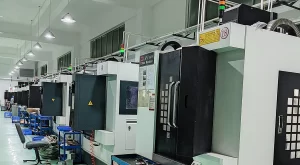
CNC mills are designed to perform milling operations, which involve rotating a multi-toothed cutting tool to remove material from a workpiece. The machine consists of a spindle that holds the cutting tool and a movable table that positions the workpiece. By moving the table in different directions (X, Y, and Z axes), the cutting tool can create various shapes and features on the workpiece, such as slots, holes, and contours.
They are widely used in industries for manufacturing complex parts with flat or curved surfaces. For example, in the mold-making industry, CNC mills are used to create the cavities and cores of molds with high precision. In mechanical engineering, they are used to produce components with intricate geometries that require tight tolerances.
CNC Lathes
CNC lathes are used for turning operations, where the workpiece rotates while a stationary cutting tool removes material to create cylindrical or conical shapes. The workpiece is clamped onto a spindle, and as it rotates, the cutting tool moves along the axis of the workpiece to shape its outer or inner diameter. Lathes can also perform operations like threading, boring, and facing.
They are commonly employed in the production of shafts, bolts, nuts, and other rotational parts. In the automotive industry, CNC lathes are used to manufacture engine crankshafts and camshafts with high precision and surface finish. In the aerospace sector, they are used to produce components with strict dimensional requirements and excellent surface quality.
Other Types of Machines
Plasma cutters use a high-temperature plasma arc to cut through electrically conductive materials, such as metals. They are particularly useful for cutting thick metal plates with high speed and accuracy. The plasma torch melts and blows away the material, leaving a clean cut edge.
Electric Discharge Machines (EDM), including Wire EDM and Sinker EDM, utilize electrical discharges to erode material and create precise shapes. Wire EDM is suitable for cutting complex shapes in hard materials with thin wire electrodes, while Sinker EDM uses a shaped electrode to create cavities and forms in the workpiece.
Water Jet Cutters employ a high-pressure stream of water, sometimes mixed with abrasive particles, to cut through a variety of materials, including metals, plastics, and composites. The water jet cuts without generating heat, making it ideal for materials that are sensitive to thermal distortion. It can produce intricate cuts with smooth edges and is widely used in industries such as aerospace and automotive for cutting gaskets, composite parts, and decorative elements.
Advantages of CNC Machining
High Precision and Repeatability
CNC machining offers exceptional precision, with the ability to achieve tight tolerances. Tolerances as small as ±0.005 inches (±0.127 mm) or even tighter can be maintained, depending on the machine and the application. This level of accuracy is crucial in industries where components must fit together precisely, such as aerospace and medical device manufacturing.
The repeatability of CNC machining is another significant advantage. Once a program is set and proven to produce accurate parts, it can be used repeatedly to manufacture identical components with consistent quality. This is essential for mass production and ensures that each part meets the required specifications.
Increased Production Efficiency
The automated nature of CNC machining allows for continuous operation with minimal human intervention. Machines can run 24/7, significantly reducing production time compared to traditional manual machining methods. Additionally, CNC machines can perform multiple operations in a single setup, eliminating the need for frequent part handling and setup changes.
Multi-axis CNC machines further enhance production efficiency by enabling the machining of complex shapes in fewer setups. For example, a 5-axis CNC mill can access different sides of a workpiece without the need for repositioning, reducing machining time and improving overall productivity.
Complex Shape Machining Capability
CNC machining can handle highly complex geometric shapes that would be difficult or impossible to achieve with manual machining. It can create intricate contours, undercuts, and internal features with precision. This capability is especially valuable in industries like aerospace, where turbine blades and engine components have complex aerodynamic shapes.
The ability to program the machine to follow precise tool paths allows for the production of custom-designed parts with unique geometries. This flexibility in design and manufacturing opens up new possibilities for product innovation.
Wide Material Adaptability
CNC machining can work with a vast range of materials, including metals (such as aluminum, steel, titanium, and brass), plastics (ABS, nylon, polycarbonate, etc.), wood, and composites. Each material has its own machining characteristics, and CNC machines can be adjusted to optimize the cutting parameters for different materials.
The choice of material depends on the specific requirements of the part, such as strength, durability, weight, and cost. For example, aluminum is commonly used in aerospace and automotive applications due to its lightweight and good machinability, while steel is preferred for its high strength in structural components.
Time and Cost Savings (in the Long Run)
Although the initial investment in CNC equipment and programming can be significant, in the long term, CNC machining can lead to cost savings. The high precision and repeatability reduce the amount of scrap and rework, saving material costs. The increased production efficiency also lowers labor costs per part, especially in high-volume production.
Moreover, CNC machining enables just-in-time production, reducing inventory costs. Parts can be manufactured as needed, eliminating the need to stockpile large quantities of finished products.
Limitations of CNC Machining
High Initial Investment
The cost of purchasing a CNC machine can be substantial, depending on the type, size, and capabilities of the equipment. In addition to the machine itself, there are costs associated with software licenses, controllers, and tooling. The initial investment also includes the cost of training operators and setting up the machining facility.
For small and medium-sized enterprises, the high upfront cost can be a significant barrier to entry. It requires careful financial planning and consideration of the expected return on investment.
High Skill Requirements for Operators
CNC operators need to have a comprehensive understanding of machining principles, programming languages (such as G-code and M-code), and CAD/CAM software. They must be able to interpret technical drawings, select appropriate cutting tools and machining parameters, and troubleshoot problems that may arise during operation.
The lack of skilled operators can lead to programming errors, machine breakdowns, and poor machining quality. Training and continuous learning are essential to keep up with the evolving technology and maintain high levels of productivity.
Maintenance Costs and Complexity
CNC machines are complex systems with numerous electronic and mechanical components. Regular maintenance is required to ensure their proper functioning and longevity. Maintenance tasks include lubrication, calibration, replacement of worn parts, and software updates. The cost of maintenance can be high, especially for specialized components and service calls.
Downtime due to machine breakdowns can result in production delays and lost revenue. Therefore, having a reliable maintenance plan and access to skilled technicians is crucial.
Tool Wear and Cost
During the machining process, cutting tools experience wear and tear. The rate of tool wear depends on factors such as the material being cut, cutting speed, feed rate, and tool geometry. Frequent tool changes are necessary to maintain machining accuracy and surface finish, which adds to the overall cost of production.
The cost of high-quality cutting tools can be significant, and improper tool selection or usage can lead to premature tool failure and increased costs. Optimizing tool selection and machining parameters can help reduce tool wear and cost.
Limited Machining Capability (for Special Requirements)
While CNC machining is highly versatile, it has limitations when it comes to extremely large or small parts, or when machining materials with extremely high hardness or unique properties. For very large parts, specialized equipment or alternative manufacturing processes may be required. Machining super-hard materials may demand advanced tooling and techniques that are not commonly available in standard CNC machining.
In some cases, the design of a part may need to be modified to accommodate the capabilities of CNC machining. For example, features with very small internal radii or deep, narrow cavities may be difficult or impossible to machine with standard tools.
Design Constraints (to Some Extent)
The design of a part for CNC machining needs to take into account the limitations of the machining process. For example, internal corners should have a minimum radius to allow for the use of cutting tools. Features that are difficult to access with the tool may require additional machining setups or special tooling, increasing cost and production time.
Design changes to optimize for CNC machining may also impact the functionality or aesthetics of the part. Therefore, a balance must be struck between design requirements and manufacturability.
Material Selection for CNC Machining
Metal Materials
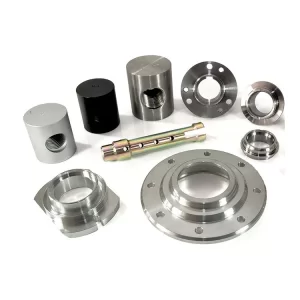
Aluminum is a popular choice due to its lightweight, good corrosion resistance, and excellent machinability. It is widely used in aerospace, automotive, and consumer electronics. Different aluminum alloys, such as 6061 and 7075, offer varying combinations of strength and other properties.
Steel is known for its high strength and durability. Stainless steel is preferred for applications requiring corrosion resistance, such as in the food and medical industries. Alloy steels, like 4140 and 4340, offer improved hardness and toughness for heavy-duty applications.
Titanium has a high strength-to-weight ratio and excellent corrosion resistance, making it suitable for aerospace and high-performance applications. However, it is more difficult to machine than aluminum and steel, requiring specialized tooling and machining parameters.
Brass is valued for its good machinability and aesthetic appearance. It is often used in decorative and plumbing applications.
Plastic Materials
ABS (Acrylonitrile Butadiene Styrene) is a common thermoplastic with good mechanical properties and impact resistance. It is widely used for prototyping and manufacturing consumer products.
Nylon has excellent abrasion resistance and mechanical strength. It is used in applications such as gears, bearings, and automotive components.
Polycarbonate is known for its high impact strength and transparency. It is used in the manufacture of safety glasses, automotive headlights, and electronic enclosures.
PEEK (Polyetheretherketone) is a high-performance thermoplastic with excellent mechanical and thermal properties. It is used in demanding applications in the aerospace, medical, and oil and gas industries.
Other Materials
Wood can be CNC machined to create decorative items, furniture components, and prototypes. Different types of wood have varying densities and machining characteristics.
Composites, such as carbon fiber-reinforced polymers, offer a combination of high strength and low weight. They are increasingly used in aerospace and automotive applications. However, machining composites requires special considerations due to their heterogeneous nature.
CNC Machining Processes
Turning Process
In turning, the workpiece rotates while the cutting tool moves along the axis of rotation to remove material and shape the workpiece. The cutting tool can be a single-point tool or a multi-point tool, depending on the complexity of the operation. The process can be used to create cylindrical shapes, threads, and tapered surfaces.
Turning is commonly used to manufacture shafts, bolts, and other rotational parts. The accuracy of the turned parts depends on factors such as the rigidity of the machine, the sharpness of the tool, and the control of the cutting parameters.
Milling Process
Milling involves the use of a rotating cutting tool with multiple teeth to remove material from the workpiece. The workpiece can be moved in different directions relative to the tool to create various shapes and features. There are different types of milling operations, including face milling, end milling, and contour milling.
Milling is a versatile process that can be used to produce flat surfaces, slots, holes, and complex 3D shapes. The choice of milling cutter and cutting parameters depends on the material, the shape of the part, and the required surface finish.
Drilling, Boring, and Tapping Processes
Drilling is used to create holes in the workpiece. The drill bit rotates and penetrates the material to form a cylindrical hole. Boring is used to enlarge an existing hole to a more precise diameter and improve its surface finish. Tapping is the process of creating internal threads in a hole.
These processes require careful selection of tools and control of cutting parameters to ensure accurate hole dimensions and thread quality. The depth and diameter of the holes, as well as the pitch of the threads, must be precisely controlled.
Electric Discharge Machining (EDM) Process
EDM works on the principle of eroding material through a series of electrical discharges between an electrode and the workpiece. In Wire EDM, a thin wire electrode is used to cut through the workpiece, following a programmed path. Sinker EDM uses a shaped electrode to create cavities or forms in the workpiece by sinking the electrode into the material.
EDM is particularly useful for machining hard materials and creating complex shapes that are difficult to achieve with traditional cutting tools. It is widely used in the mold-making industry for creating intricate cavities and cores.
Water Jet Cutting Process
Water jet cutting uses a high-pressure stream of water, often mixed with abrasive particles, to cut through materials. The water jet is focused through a small nozzle and directed at the workpiece with high velocity. The pressure of the water jet can range from several thousand to tens of thousands of pounds per square inch.
Water jet cutting is a cold cutting process, which means it does not generate heat and is suitable for materials that are sensitive to thermal distortion, such as plastics, composites, and metals with heat-treatable properties. It can produce very fine and intricate cuts with minimal burrs.
Post-Processing of CNC Machined Parts
Deburring and Surface Finish Improvement
After machining, parts may have burrs, which are small projections or ridges left on the edges of the part. Deburring is essential to improve the quality and safety of the part. Manual deburring methods include using files, sandpaper, or abrasive brushes. Mechanical deburring techniques, such as tumbling and brushing machines, can be more efficient for large quantities of parts. Chemical deburring uses chemical solutions to dissolve or remove burrs.
Surface finish can be enhanced through processes like grinding, polishing, and lapping. Grinding uses abrasive wheels to remove material and improve surface smoothness. Polishing further refines the surface, creating a shiny and smooth finish. Lapping uses a fine abrasive paste and a lapping plate to achieve an extremely smooth and flat surface.
Heat Treatment and Surface Strengthening
Heat treatment is used to modify the mechanical properties of the part, such as hardness, strength, and toughness. Processes like quenching, tempering, and annealing are commonly used. Quenching involves rapidly cooling the part to increase its hardness, followed by tempering to reduce brittleness. Annealing is used to soften the material and relieve internal stresses.
Surface strengthening techniques, such as case hardening and nitriding, can improve the wear resistance and corrosion resistance of the part’s surface while maintaining the core properties of the material. Case hardening involves adding a hard outer layer to the part, typically through processes like carburizing or induction hardening. Nitriding introduces nitrogen into the surface of the material to form a hard nitride layer.
Coating and Protection Treatments
Coatings can provide additional protection and functionality to the machined parts. Electroplating is a common coating method that deposits a thin layer of metal, such as chromium or nickel, onto the surface of the part. This can improve corrosion resistance, enhance appearance, and provide wear resistance. Anodizing is mainly used for aluminum parts to create a hard, porous oxide layer that can be dyed for decorative purposes and also provides corrosion protection. Powder coating involves applying a dry powder that is then cured under heat to form a protective and decorative coating.
The choice of coating depends on the specific requirements of the part and the environment in which it will be used. For example, in outdoor applications, a coating with high UV resistance may be necessary. In corrosive environments, a coating with excellent chemical resistance is crucial.
Design Considerations for CNC Machining
Design Factors to Consider
When designing a part for CNC machining, simplicity is key. Avoid overly complex geometries that may be difficult or impossible to machine. For example, internal features with sharp corners or deep, narrow cavities can pose challenges. Ensure that there is sufficient clearance for the cutting tool to access all areas of the part.
Tolerance requirements should be carefully defined. Tighter tolerances increase machining cost and complexity, so only specify them when necessary for the functionality of the part. Consider the material selection in relation to the design. Different materials have different machining characteristics, and the design should be optimized for the chosen material.
Design Optimization for Improved Machining Efficiency and Quality
Consolidate machining features whenever possible. For example, if multiple holes or pockets are required, try to arrange them in a way that can be machined in a single setup. This reduces the number of tool changes and setup times, improving overall efficiency. Choose appropriate machining datum surfaces to ensure accurate positioning of the part during machining.
Design for manufacturability can significantly reduce cost and production time. By optimizing the design, it is possible to achieve better surface finish, reduce tool wear, and improve the quality of the machined part.
Integration of Design Software with CNC Machining
CAD/CAM software plays a crucial role in CNC machining. CAD software is used to create the 3D model of the part, which can then be imported into CAM software. CAM software generates the tool paths and generates the G-code that the CNC machine can understand. The integration of these two software types allows for seamless transition from design to machining.
It is important to ensure that the design software and the CNC machine are compatible. Data transfer should be accurate and reliable to avoid errors during the machining process. Some CAM software also offers simulation capabilities, allowing designers and machinists to preview the machining process and identify potential problems before actual production.
Quality Control in CNC Machining
Quality Control Standards and Testing Methods
CNC machining adheres to various quality control standards, such as ISO 9001, which emphasizes a systematic approach to quality management. These standards define requirements for process control, documentation, and continuous improvement. In addition to international standards, different industries may have their own specific quality requirements.
Quality testing methods include dimensional measurement using tools like calipers, micrometers, and coordinate measuring machines (CMMs). CMMs can provide highly accurate measurements of complex geometries. Surface roughness can be measured using profilometers. Non-destructive testing methods, such as ultrasonic testing and magnetic particle inspection, are used to detect internal flaws or defects in the part without damaging it.
Process Control and Continuous Improvement
Process control is essential in CNC machining to ensure consistent quality. This involves monitoring machining parameters such as spindle speed, feed rate, and cutting depth during the production process. Any deviations from the set parameters can be detected and corrected in real-time to prevent the production of defective parts.
Continuous improvement is achieved through data analysis. By collecting and analyzing data on machining performance, such as tool wear rates, part quality statistics, and production cycle times, manufacturers can identify areas for improvement. This may lead to adjustments in machining parameters, tool selection, or process design to enhance overall quality and productivity.
Cost Analysis of CNC Machining
Cost Components
The cost of CNC machining includes several factors. Equipment depreciation is a significant cost, especially for expensive CNC machines. Tooling costs involve the purchase and replacement of cutting tools, which can be frequent depending on the machining operations. Labor costs include the wages of operators and programmers. Material costs depend on the type and quantity of material used. Energy costs are incurred during the operation of the machine. Programming costs cover the development and maintenance of the machining programs. Maintenance costs are required to keep the machine in good working condition.
The proportion of each cost component may vary depending on the specific machining job. For example, in high-volume production, the cost per part may be dominated by material and equipment depreciation costs, while in low-volume, complex parts, programming and setup costs may have a greater impact.
Cost Reduction Strategies
Design optimization can reduce material usage and machining time. By simplifying the part design and choosing appropriate manufacturing methods, material waste can be minimized. Selecting the right cutting tools and optimizing machining parameters can improve tool life and reduce tooling costs. For example, using high-speed cutting tools and appropriate feed rates can increase productivity while reducing tool wear.
Increasing equipment utilization through better production planning and scheduling can spread the fixed costs (such as equipment depreciation) over more parts. Training and skill development of operators can improve efficiency and reduce the likelihood of errors, leading to cost savings. Outsourcing certain machining operations or collaborating with other manufacturers can also be a cost-effective option in some cases.
Future Trends in CNC Machining
Technological Innovations and Development Directions
CNC machining is moving towards greater intelligence and automation. Smart CNC systems are being developed that can self-optimize machining parameters based on real-time data from sensors. Adaptive machining technologies enable the machine to adjust the cutting process in response to changes in the workpiece or machining conditions. High-speed machining with advanced cutting tools and spindle technologies is becoming more prevalent, reducing production times.
The integration of additive manufacturing (3D printing) and CNC machining is an emerging trend. Hybrid machines that combine the capabilities of both processes can offer unique advantages, such as the ability to additively build complex structures and then use CNC machining for finishing operations to achieve high precision.
Industry Impact and Application Expansion
The development of CNC machining technology is transforming the manufacturing industry. It is enabling more efficient and flexible production, reducing lead times, and increasing product customization. The ability to produce complex parts with high precision is driving innovation in industries such as aerospace, automotive, and medical. In aerospace, it is facilitating the development of lighter and more efficient aircraft components. In automotive, it is supporting the trend towards electric vehicles and autonomous driving with the production of high-precision sensors and components.
CNC machining is also finding new applications in emerging industries. For example, in the renewable energy sector, it is used to manufacture components for wind turbines and solar panels. In the biotechnology field, it is being explored for the production of custom medical implants and tissue engineering scaffolds.
Case Studies in CNC Machining
Aerospace Industry Case
In the aerospace industry, the production of turbine blades is a prime example of CNC machining’s capabilities. Turbine blades require extremely high precision and complex aerodynamic shapes to ensure optimal performance. CNC milling machines with multi-axis capabilities are used to create the intricate contours of the blades. The blades are typically made from high-performance alloys, such as nickel-based superalloys, which are difficult to machine due to their hardness and heat resistance. However, CNC machining allows for the precise removal of material to achieve the required shape and surface finish. Advanced tooling and cooling techniques are employed to manage the challenges associated with machining these materials. For instance, high-pressure coolant systems are used to dissipate heat and improve tool life. The machining process is closely monitored and controlled to ensure that each blade meets the strict tolerances and quality standards required for aerospace applications. This precision machining is crucial as even the slightest deviation in the blade’s shape or surface finish can affect the engine’s efficiency and reliability.
Another example is the manufacturing of aircraft structural components, like wing spars and fuselage frames. These parts need to be lightweight yet strong enough to withstand the extreme forces during flight. CNC machining enables the use of advanced materials, such as carbon fiber-reinforced composites, which offer high strength-to-weight ratios. The machining process is carefully designed to handle the anisotropic properties of composites, ensuring that the fibers are not damaged during cutting. Multi-axis CNC machines are used to create complex geometries and holes for riveting and assembly. Quality control is of utmost importance, with extensive inspection procedures using non-destructive testing methods like ultrasonic inspection to detect any internal defects. The accurate and consistent production of these components through CNC machining is essential for the safety and performance of the aircraft.
Automotive Manufacturing Field Case
Engine blocks are critical components in the automotive industry, and CNC machining plays a vital role in their production. The machining of engine blocks requires high precision to ensure proper fit and function of internal components, such as pistons, cylinders, and crankshafts. CNC milling and boring operations are used to create the precise bores and surfaces for these components. The blocks are typically made from cast iron or aluminum alloys. For aluminum engine blocks, CNC machining is particularly advantageous due to its ability to achieve better surface finish and tight tolerances. The process involves multiple setups and machining operations to create the various features, such as water jackets, oil galleries, and mounting surfaces. Advanced tooling and machining strategies are employed to optimize the production process and reduce cycle times. For example, high-speed machining techniques are used to increase material removal rates while maintaining accuracy. Quality control measures include dimensional inspection using coordinate measuring machines (CMMs) and leak testing to ensure the integrity of the engine block.
Transmission gears are another important application. CNC turning and gear hobbing machines are used to manufacture gears with precise tooth profiles and dimensions. The choice of material, such as alloy steel, is based on the required strength and durability. The machining process must ensure accurate gear meshing to minimize noise and maximize power transmission efficiency. CNC machining allows for the production of custom gear designs to meet specific performance requirements. In addition to traditional machining operations, post-processing operations like heat treatment and surface hardening are often performed to improve the gear’s mechanical properties. The consistent quality and performance of transmission gears produced by CNC machining are essential for the smooth operation and reliability of the vehicle’s transmission system.
Medical Field Case
In the medical field, the production of orthopedic implants, such as hip and knee replacements, is a significant application of CNC machining. These implants need to be customized to fit each patient’s unique anatomy precisely. CNC machining enables the production of patient-specific implants from biocompatible materials like titanium and cobalt-chrome alloys. The machining process starts with a 3D model of the patient’s joint, which is used to generate the tool paths for the CNC machine. The implants are machined with high precision to ensure proper fit and function within the body. Surface finish is crucial to prevent wear and promote osseointegration (the bonding of the implant with the surrounding bone). Specialized machining techniques are used to create porous surfaces on the implants, which aid in bone growth and fixation. Quality control is strictly implemented, with strict inspection procedures to ensure that the implants meet the highest standards of quality and safety. This includes dimensional verification, material analysis, and biocompatibility testing.
Surgical instruments also benefit from CNC machining. Instruments like scalpels, forceps, and drills require high precision and sharp edges. CNC grinding and milling operations are used to shape and sharpen the cutting edges of these instruments. The choice of materials, such as stainless steel or titanium, depends on the specific application and requirements for corrosion resistance and durability. The machining process is optimized to achieve the desired edge geometry and surface finish. For example, micro-machining techniques are used to create fine details and sharp tips. Quality control measures include visual inspection, hardness testing, and performance testing to ensure that the surgical instruments are of the highest quality and can perform their intended functions effectively and safely in the operating room.
Electronics Industry Case
The production of printed circuit board (PCB) prototypes and enclosures is a common application in the electronics industry. CNC milling is used to create the precise cutouts and mounting holes in PCB enclosures. The enclosures are typically made from plastics like ABS or polycarbonate. CNC machining allows for the quick production of custom enclosures with accurate dimensions to fit the specific PCB and components. The process can also create decorative features and surface textures on the enclosures. For PCB prototypes, CNC drilling is used to create the holes for mounting components. The precision of the holes is crucial to ensure proper electrical connections and component alignment. High-speed CNC machines are used to reduce production time while maintaining accuracy. Quality control involves checking the dimensions of the cutouts and holes using precision measuring tools and ensuring that the enclosures fit the PCBs snugly.
In the manufacturing of precision electronic components, such as connectors and micro-switches, CNC machining is used to create the small and intricate parts with tight tolerances. These components are often made from metals like brass or stainless steel. The machining process requires high precision to ensure reliable electrical contact and mechanical performance. Micro-machining techniques, such as wire electric discharge machining (wire EDM) and micro-milling, are employed to create the fine features and small dimensions. Surface finish is also important to prevent oxidation and ensure good electrical conductivity. Quality control measures include microscopic inspection, electrical testing, and mechanical testing to verify that the components meet the required specifications and can function properly in electronic devices.
Resources and Learning Paths for CNC Machining
Online Resources and Forums
There are several authoritative websites dedicated to CNC machining, such as the official websites of CNC machine manufacturers, industry associations like the American Machine Tool Distributors’ Association (AMTDA), and technical publications like “CNC Machining Magazine”. These websites provide valuable information on the latest technologies, machine models, and industry trends.
Online forums, such as “CNC Zone” and “The Hobby-Machinist“, are great platforms for CNC enthusiasts and professionals to exchange ideas, share experiences, and seek solutions to problems. Users can ask questions about programming, machine operation, and tool selection, and get answers from a community of experienced machinists. There are also online tutorials and video channels, like “Titans of CNC Academy” and “NYCCNC”, which offer step-by-step guides on CNC machining techniques, from basic to advanced levels. These resources are beneficial for both beginners who are just starting to learn CNC machining and experienced professionals looking to expand their knowledge.
Books and Training Courses
Some classic CNC machining books include “CNC Programming Handbook” by Peter Smid, which provides a comprehensive guide to CNC programming concepts and techniques. “Machinery’s Handbook” is another essential reference that covers a wide range of machining topics, including CNC machining, with detailed tables and formulas. For those interested in advanced topics, “High-Speed Machining” by Ernie Insinger offers in-depth insights into high-speed CNC machining strategies and technologies.
Many institutions and training centers offer CNC machining courses. For example, local community colleges and technical schools often have programs that cover the basic operations, programming, and setup of CNC machines. Some universities offer more advanced courses in CNC machining as part of their mechanical engineering or manufacturing engineering curricula. There are also specialized training centers that provide hands-on training with state-of-the-art CNC equipment and certifications. These courses range from short-term introductory workshops to comprehensive diploma programs. When choosing a training course, it is important to consider the curriculum, the quality of the instructors, and the practical training opportunities provided.
Industry Exhibitions and Seminars
Attending CNC machining industry exhibitions, such as the International Manufacturing Technology Show (IMTS) and the EMO Hannover, is an excellent way to stay updated on the latest CNC technologies and equipment. These exhibitions showcase the latest machine models, cutting tools, software, and accessories from leading manufacturers. Visitors can see live demonstrations of CNC machines in action, talk to industry experts, and network with other professionals in the field.
Seminars and conferences organized by industry associations and research institutions offer opportunities to learn about the latest research findings and trends in CNC machining. Topics may include new machining processes, materials, and quality control techniques. Presentations and panel discussions by experts provide valuable insights and perspectives. These events also facilitate knowledge sharing and collaboration among industry players, which can lead to new ideas and innovations in CNC machining.
Conclusion and Outlook
Key Points Review
CNC machining is a highly versatile and precise manufacturing process that has revolutionized the production of complex parts across various industries. We have explored its working principle, which involves programming the machine to control the movement of cutting tools based on CAD models. The different types of CNC machines, each with its unique capabilities, offer solutions for a wide range of machining tasks. The advantages of CNC machining, such as high precision, repeatability, and the ability to handle complex shapes, have made it an indispensable technology. However, it also has limitations, including high initial investment and the need for skilled operators. Material selection, machining processes, post-processing, design considerations, quality control, and cost analysis are all crucial aspects that impact the success of CNC machining projects.
Outlook for CNC Machining in the Future
The future of CNC machining looks promising, with continued technological advancements. Smart and automated CNC systems will further enhance productivity and quality. The integration of additive and subtractive manufacturing processes will open up new possibilities for creating complex and functional parts. CNC machining will continue to play a vital role in driving innovation in industries like aerospace, automotive, medical, and electronics. As the demand for customized and high-quality products grows, CNC machining will adapt and evolve to meet these challenges. It will also contribute to the development of sustainable manufacturing practices by optimizing material usage and energy consumption. Overall, CNC machining will remain a cornerstone of modern manufacturing, enabling the production of increasingly sophisticated and efficient products.